
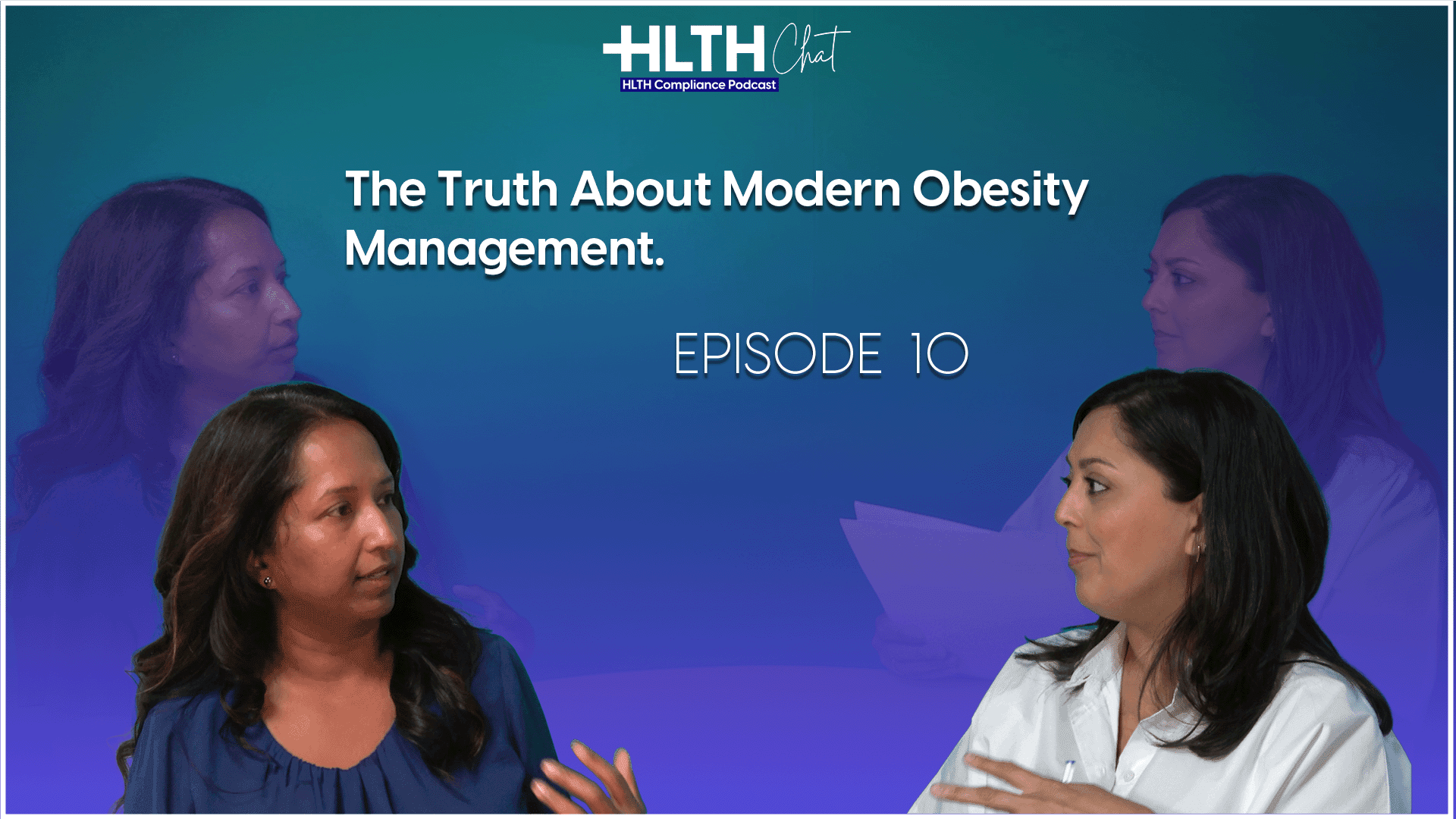
HLTH Chat – Modern Obesity Management: Why Weight Loss Medications Are Only Part of the Picture
The conversation around obesity management has changed dramatically over the past few years. With the rise of GLP-1 medications and increasing public awareness of obesity treatment options, more people than ever are seeking support to improve their health.
But as award-winning bariatric physician Dr Anjanli Zalin explains on a recent episode of HLTH Chat, effective obesity management is about far more than a prescription.
Understanding Obesity as a Chronic Disease
One of the most important messages from the discussion is the need to recognise obesity as a chronic disease rather than simply a lifestyle issue.
While diet and exercise play an important role, obesity is influenced by a wide range of factors including genetics, environment, mental health, social circumstances, financial pressures and access to support. Research continues to show that there is no single cause and no single solution.
This shift in understanding is helping healthcare professionals move away from blame and towards more effective, person-centred care.
The Rise of GLP-1 Medications
Weight loss medications such as GLP-1 receptor agonists have transformed the obesity treatment landscape. Their popularity has been unprecedented, generating significant demand from patients and widespread media attention.
These medications can help regulate appetite, reduce hunger and support weight loss, but they are not a standalone solution.
As Dr Zalin highlights, these treatments are prescription medications that require careful assessment, ongoing monitoring and clinical oversight. Not everyone will be suitable for treatment, and different individuals will respond in different ways.
Why Wraparound Care Matters
One of the strongest themes from the podcast is the importance of holistic care.
Successful obesity management often requires support across multiple areas, including:
- Nutrition and dietary guidance
- Physical activity and movement
- Psychological support
- Behavioural change strategies
- Ongoing clinical monitoring
Without this wider support, there is a risk that underlying factors contributing to obesity remain unaddressed.
Healthcare providers are increasingly recognising that long-term health improvements come from combining medical interventions with sustainable lifestyle and behavioural support.
Tackling Weight Stigma in Healthcare
Another key topic explored in the episode is the impact of obesity stigma.
Despite growing awareness, many people living with obesity still encounter judgement and misconceptions, both in society and within healthcare settings.
This can affect whether people seek help, engage with services and feel supported throughout their treatment journey.
Moving towards non-judgemental, person-first language and recognising obesity as a disease can help create more inclusive healthcare environments and improve patient outcomes.
The Future of Obesity Care
Looking ahead, obesity management is likely to become increasingly personalised.
Advances in digital health, better understanding of individual responses to treatment, and improved integration between healthcare services are all helping to shape a more tailored approach to care.
As new medications emerge and services continue to evolve, the focus remains the same: improving health outcomes, preventing long-term complications and supporting people to achieve sustainable change.
Listen to the Full Conversation
This article only scratches the surface of the insights shared by Dr Anjali Zalin on HLTH Chat.
- How GLP-1 medications work
- The importance of personalised treatment plans
- Common misconceptions about obesity
- The role of genetics and social factors
- Digital innovation in obesity management
- The future of obesity care in the UK
For healthcare professionals, providers and anyone interested in the future of obesity treatment, it’s a fascinating discussion that offers both clinical expertise and practical insight.